There seems to be no end in the rumors around artists taking plastic surgery. In fact, there have been so many rumors in this issue. In the United States, particularly in the movie industry, having a great look denotes one of the most important keys to gaining success and fame. Also, it has a great role in helping one to stay at the top of her career. It is no wonder that so many artists have been rumored to have undergone the knife work since it can get them the look and body shape that they desire the most. In order to stay young and sparkling, plastic surgery also has a great impact in this regard, which infuses another efficacy if this artificial knife work. One of many American superstars that were once speculated to have undergone the plastic surgery is Hedy Lamarr. Hedy Lamarr was born on November 9, 1914. She was an Austrian and American movie inventor and actress. After her early and brief movie career in Germany, including a controversial love making the action in the movie Ecstasy in 1933, she decided to flee her husband and secretly stayed in Paris. It was in Paris that she met MGM head, Louis Mayer. He offered her a movie contract in Hollywood where she started her major career from the late 1930s to 1950s. Hedy Lamarr was then promoted as the world’s most beautiful female actress. However, just like what happened to most artists, Hedy Lamarr was speculated to have some issues in her career. There were some issues attributed to Hedy Lamarr plastic surgery.
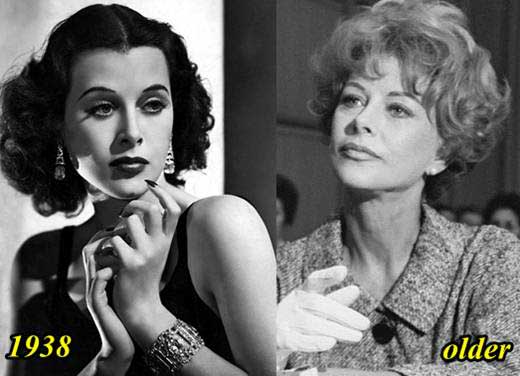
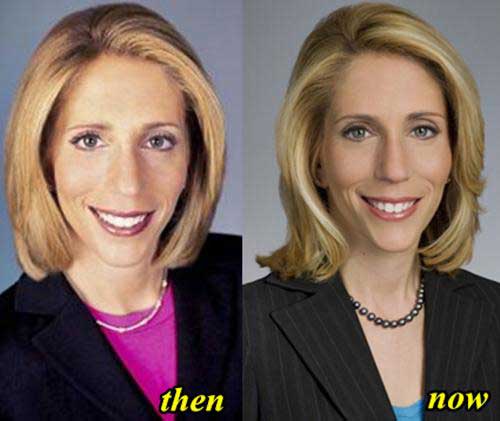
Could you spot the knife work beauty on her face?
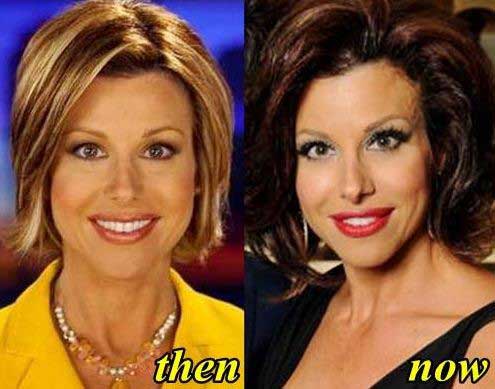
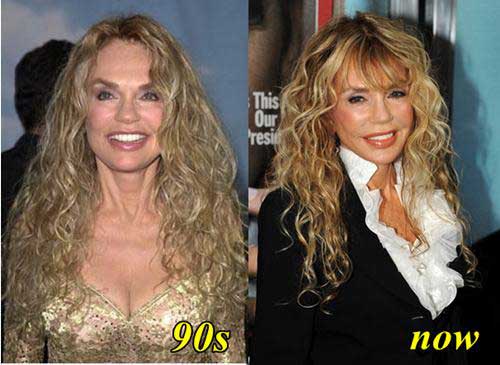
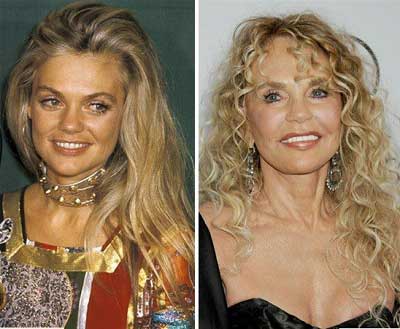
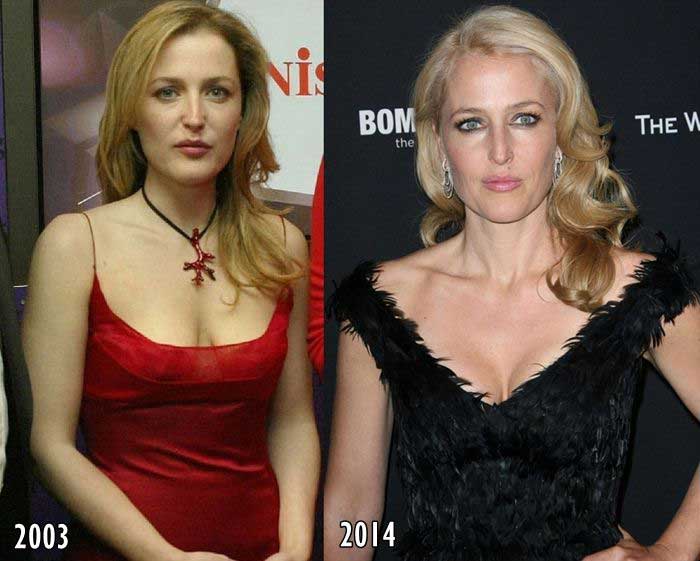
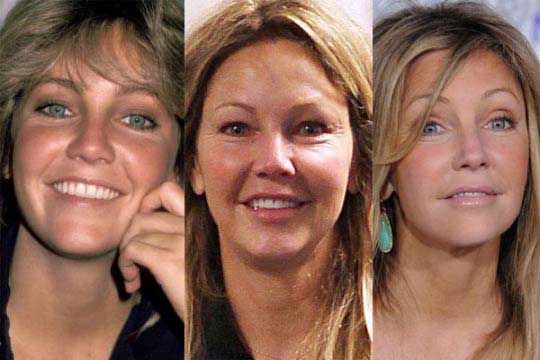
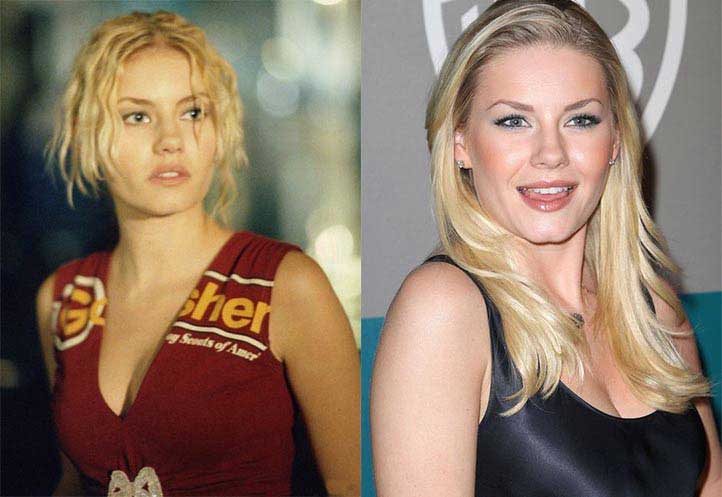
Did she really have the knife work? To some extent, it is best to address the question by referring to the photos around the internet labeled as Hedy Lamarr’s plastic surgery. These photos have been really controversial in rumored her plastic surgery. Perhaps, there have been too many photos around Hedy Lamarr. You can easily spot the difference in her appearance. As you know, Hedy Lamarr is already old today. However, that age does not seem to have any impact on her beauty. Still with the age, she looks so young and gorgeous. This surely indicates that the rumors about her plastic surgery were true. Some of the issues around her plastic surgery were Hedy Lammar facelift procedure. It has been known that facelift procedure can get facial muscle tight and tense. With all the photos ever spread on the internet, it is easily noticeable that she really had the facelift since she looks so fresh and young. This particular surgery has been really famous among artists as the panacea to aging problems. You can see that Hedy Lamarr has no signs of aging at all. At least, at the first glance.
The diva apparently got obsessed with knife work sparkle
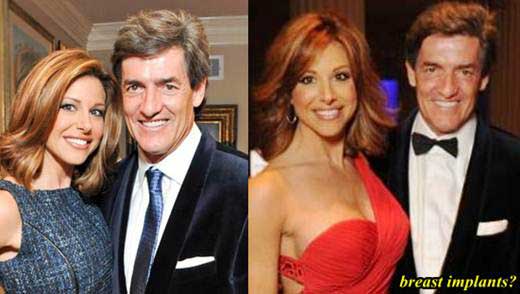
Most of her fans think that her plastic surgery was a really big mistake. No wonder lots of people think so in as much as she actually looks much more beautiful and more natural without the knife work impact. Hedy Lamarr has certainly come as a total shock for lots of people that it got really under the spotlight at that time. So, were there some other issues around Hedy Lamarr? Of course, the answer is yes. There are in fact some other changes posed in the photos labeled as Hedy Lamarr before and after plastic surgery. You can see that she had had her lips augmented to make them nicer and sexier. The other thing which she had through the knife work was breast augmentation. If you are interesting to know more detailed information about our diva, you can read it at isuwft.com.